Healthy Tips For Managing Phosphorus
If you’re currently being treated for a kidney condition, then you know that when it comes to managing your symptoms there are plenty of moving parts. At Northeast Ohio Nephrology Associates, Inc. our team of nephrology doctors is here to help, with evidence-based treatment options and key tips to help you better manage your kidney health. Nutrition is a central part of your treatment, since many patients need to limit the intake of several foods and minerals as part of their treatment plan. This can sound overwhelming, but we’re here to help, with clear recommendations and easy steps. Here’s what you need to know.
Why Phosphorus Can Be Problematic
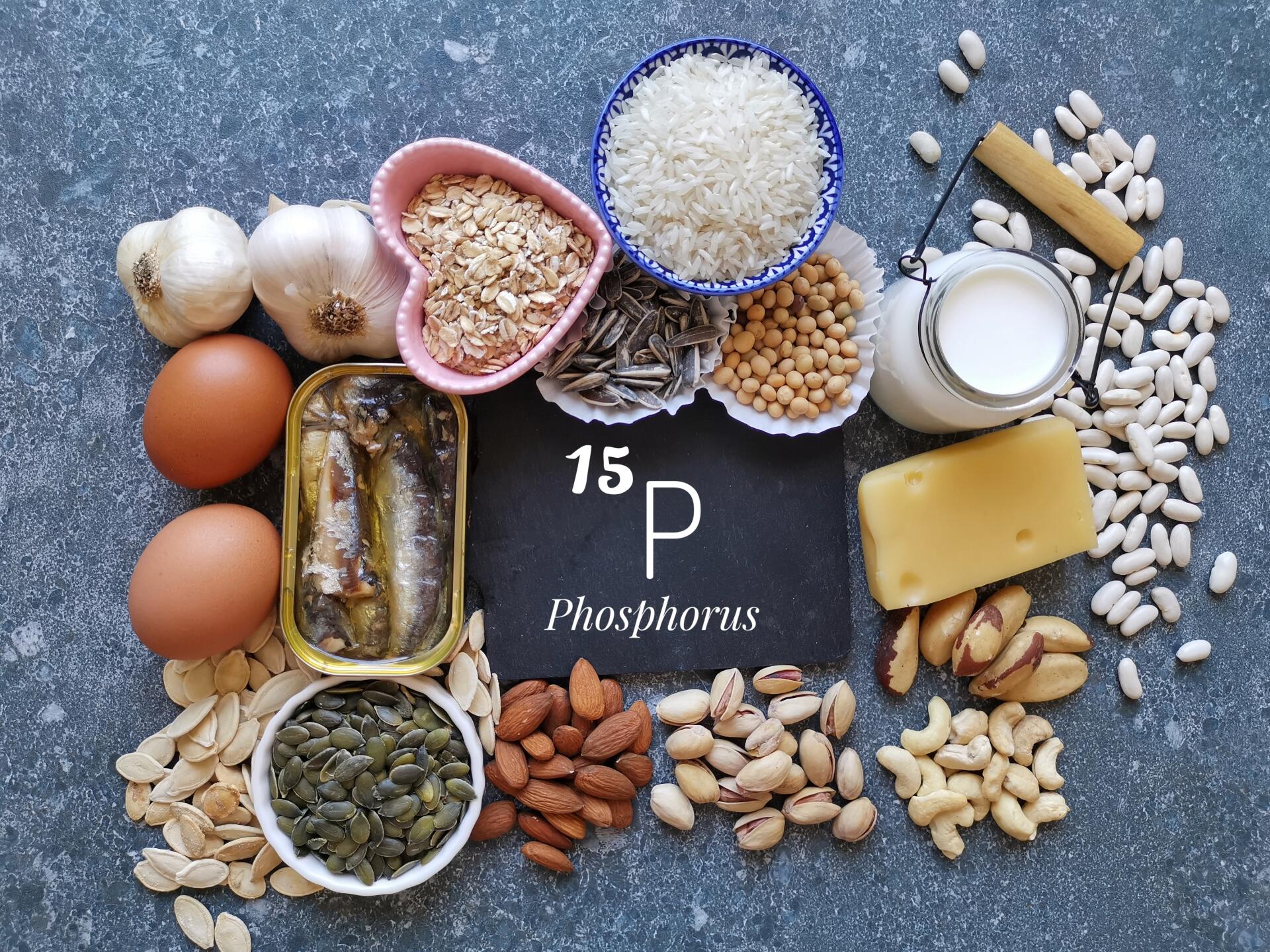
Phosphorus is a naturally-occurring mineral that is found in countless food sources. Our bodies need phosphorus to form strong bones and teeth, and it supports energy production and cell function, among other key roles. In healthy individuals, excess phosphorus is easily eliminated. However, when the kidneys don't work well, phosphorus builds up and excess levels can cause serious problems, such as severe itching, heart attack, stroke, weak bones and serious skin conditions. Managing phosphorus levels in the blood is essential to overall health and kidney health specifically. It is important to note that phosphorus may not become elevated until more advanced stages of kidney disease, and you should only restrict phosphorus if recommended by your doctor.
Know Your Phosphorus Sources
Some natural, whole foods are high in phosphorus, but a majority of phosphorus that a patient may encounter often come from processed foods. Phosphates contain phosphorus and they are added to processed foods to improve texture, extend shelf life, retain moisture, and regulate acidity. These emulsifiers, stabilizers, and leavening agents are common in processed meats, cheeses, soda, and baked goods.
The terms on ingredient labels vary, but just about any ingredient with “phos” in the name should be viewed with suspicion and the product avoided by those being treated for a kidney condition. This is especially true for the inorganic phosphate additives commonly found in processed foods, because they are more easily absorbed (up to 100%) by the body compared to naturally occurring phosphorus (40-60%). Often called “hidden” sources of phosphorus, these ingredients are found in fast foods, deli meats, frozen convenience meals, frozen meats, boxed mixes, dark-colored sodas, bottled tea, and bottled water with additives.
Look for these ingredients to avoid:
- Dicalcium PHOSphate
- PHOSphoric acid
- Sodium polyPHOSphate
- HexametaPHOSphate
- Tetrasodium pyroPHOSphate
Beyond most packaged and convenience foods, many natural foods also contain phosphorus. Less (40% to 60%) of this source of phosphorus is only absorbed, as it is bound to proteins and other molecules, which slows down the absorption process. These are the natural foods you may need to avoid:
- Dairy products
- Nuts and seeds
- Legumes
- Animal protein
- Whole grains and bran
- Some fruits and vegetables
Unfortunately, many of the above foods are otherwise very healthy options. It is vital to work with a kidney doctor or dietician to ensure that you are not protecting your kidneys at the cost of eating a wholesome, well-balanced diet.
Easy Ways to Cut Back on Phosphorus
The best way to cut back on phosphorus in your diet is to simplify what you eat. Remove processed items from your diet entirely, and focus more on whole foods. Yes, many of these do have high levels of phosphorus, but there are options within these categories that do not. And remember, only about half of the phosphorus you are consuming is being absorbed by your body when you choose more natural foods. This is especially true in the case of fresh fruits and vegetables.
Besides choosing fresh over processed foods and ingredients, you’ll also want to limit dairy intake and seek out alternatives, keeping an eye out for phosphates in the ingredient lists. Opt for more refined grains and starches, as they naturally contain less phosphorus. When it comes to drinks, water is always best, but lemonade, clear sodas, fresh-brewed coffee and tea, and any drinks without “phos” ingredients are generally considered to be safe. If you are also limiting sodium, then that is a consideration to keep in mind too.
Try to start cooking your own food, from scratch. This is the best way to control what you eat and avoid excessive amounts of phosphorus. Aim for smaller portions of higher phosphorus foods, and alter food preparation and cooking techniques (boiling vs steaming or roasting) to further lower phosphorus content. If you need more practical suggestions and are a patient at Northeast Ohio Nephrology Associates, Inc. our team of nephrology doctors will be happy to assist you during your next appointment.
Medication and Medical Management
Even if you do all you can to try and limit or avoid dietary sources of phosphorus, you may need to seek out condition management through medication to ensure that your kidneys are safeguarded. Phosphorus binders are a common medication used that work to prevent absorption of consumed phosphorus. These binders are often available in chewable, liquid, or pill form and they can trap the phosphorus before you metabolize it. It is necessary to take these medicines with food for them to be effective. Our nephrology doctors can work with you to see if this treatment is a good fit for your situation.
Work With The Nephrology Doctors At Akron Nephrology Associates
Diet is key when it comes to successfully managing and treating your kidney condition. Controlling phosphorus levels is an essential component to your efforts. It can be difficult and somewhat complex at first, but over time you can adjust and enjoy your new way of eating. Being aware of portion size and ingredients can also positively impact other areas of your health. You may even find new flavors and preparations that enhance your diet in unanticipated ways. More than any other benefit, when you work hard to manage your phosphorus intake, you can appreciate better health and more easily manage the symptoms of your kidney condition. With the expertise of our experienced nephrology team supporting you, you can feel confident in taking control of your health.
At Northeast Ohio Nephrology Associates, we are committed to providing innovative solutions for maintaining and enhancing your kidney health. It’s our mission to empower you to take control of your wellness journey. Contact us today to get started!
Our Affiliates







Contact Us
(*) - Required field