Healthy Tips for Managing Sodium
If you have a kidney condition, then you are probably working with your healthcare provider to manage your symptoms. At Northeast Ohio Nephrology Associates, Inc., our team of nephrology doctors is here to help you better manage your kidney health, and nutrition is a key component of your treatment. Many patients need to limit sodium intake as part of their treatment plan. This can sound like a daunting task, but with some easy steps, it’s very doable.
Why Sodium Can Be Problematic
Sodium is a necessary mineral in our diets–it helps to regulate fluid balance and blood pressure, and impacts how muscles and nerves work. That said, the required 200 to 500 mg of salt (roughly ¼ teaspoon, give or take) we need to function every day is far less than what most people are actually eating. While the recommended dietary intake of sodium is less than 2,300 mg daily, the average American consumes 3,400 mg daily. Many patients with kidney disease, heart disease, or hypertension are recommended an even lower amount.
For those who already deal with health issues like kidney disease and hypertension, among others, excess levels of sodium can be very problematic. It can increase blood pressure and swelling through water retention, which then puts additional stress on kidneys to filter the blood, and the heart to pump it. Managing sodium levels in the diet is a key way to maintain kidney health and a central element in an effective management and treatment plan.
Know Your Sodium Sources
Food does not have to taste salty to be a major source of sodium. And even foods with lower amounts of sodium can cause issues if they are eaten frequently. Staple foods like bread fit into this category. Foods with preservatives (many fast or frozen foods), pickled foods, snack foods, condiments, packaged, bottled and canned foods, and seasoning or baking mixes also generally contain salt. Dairy foods like cheese and milk along with preserved meats are common sources of dietary sodium. And workout beverages or supplements that contain electrolytes typically also contain sodium. Restaurant meals are another commonly enjoyed category of food that is well-known for being high in sodium.
Easy Ways to Cut Back on Salt
Knowing how much sodium you are consuming starts with being aware of what you are eating. It is key to check labels on everything you plan to buy when in the store. You can work with your nephrology doctor to establish how much daily sodium is safe for you and then use that parameter to select lower sodium alternatives. More often than not, it is safest to choose unprepared and fresh ingredients as opposed to boxed, bagged, canned and frozen foods.
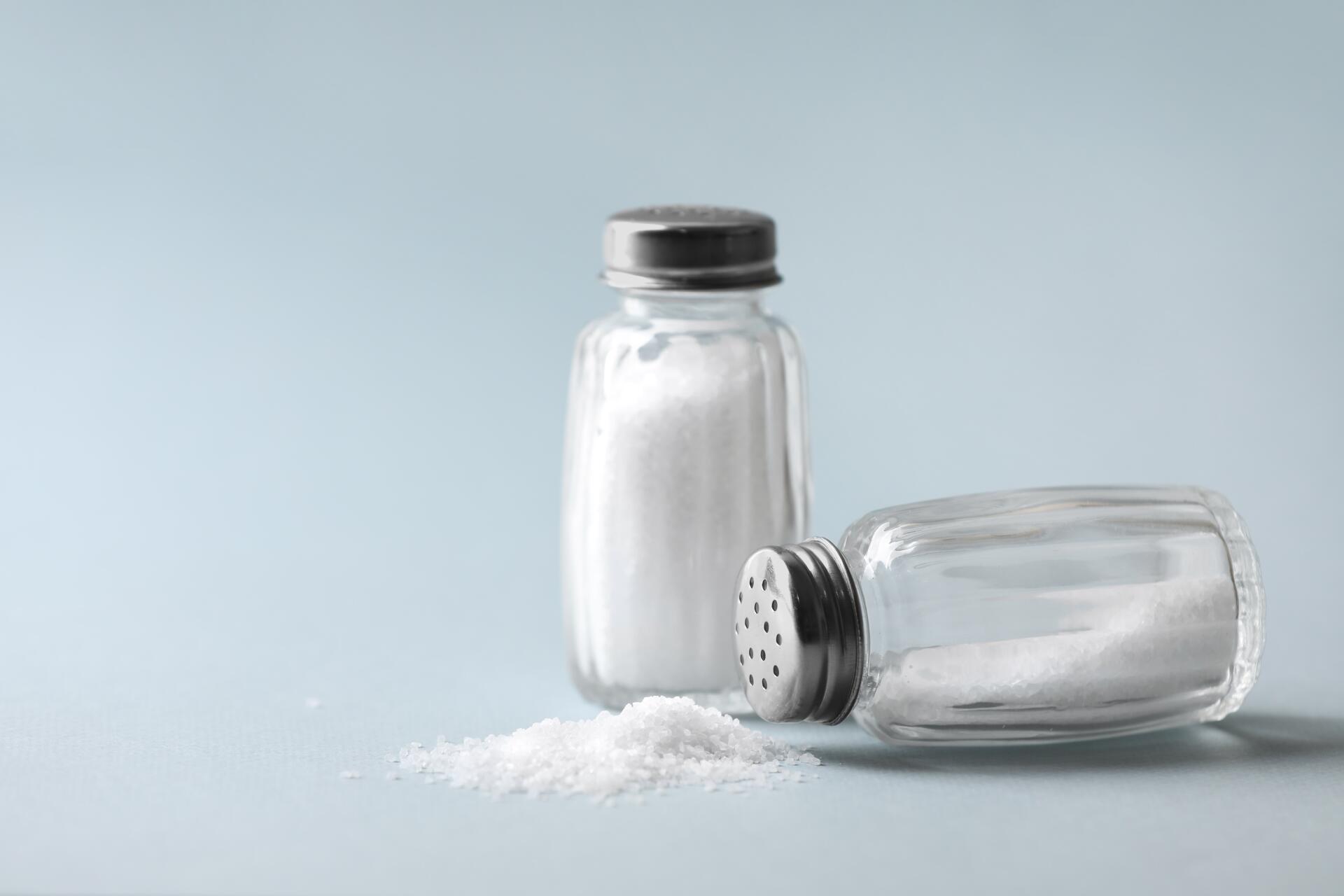
It’s also vital to minimize added salt during and after cooking. If you use a traditional salt shaker, you can make modifications so that only half of the holes are actually dispersing salt. It is important to note that any form of salt (table salt, iodized salt, sea salt) all contain the same amount of sodium and one is not “healthier” for kidneys or hypertension than another.
Other options to season your food instead of salt include:
- lemon juice to “brighten” and accentuate natural flavors
- ground peppercorn, fresh sweet and hot peppers, paprika
- fresh, dried, or pureed garlic or onion
- fresh herbs if possible, dried herbs if fresh are not available
Prioritizing fresh, whole foods allows you to really get to know their natural flavors and can help you to learn to enjoy these foods without the need for additional sodium. If you need to purchase packaged items, reading nutrition labels can help you to keep track, and opting for items labeled "low-sodium" along with a careful rinse of canned goods in pure water can additionally help to cut down on sodium intake. If you want to enjoy a meal with friends or family at a restaurant, you can request for no additional salt to be added. Even if they cannot accommodate that, you can often request for sauces to be served on the side or omitted, and you can opt for fresh vegetables over cooked options.
When it comes to cutting back on salt, sugar, or any other ingredient, it takes time but your taste buds can and will adjust to the new flavor profiles. Eventually, you can even start to prefer less salt, and become more sensitive to nuanced flavors.
Sodium Substitutes
There are several readily available sodium substitutes available in most grocery stores. While they may be safe for some individuals, those who have common kidney-related conditions and especially those undergoing dialysis should ask a medical professional before use. This is because most sodium substitutes utilize potassium to create a salty flavor. Excess amounts of potassium can also be problematic for kidney patients.
Work With The Nephrology Doctors At Akron Nephrology Associates
Diet is key when it comes to successfully managing and treating your kidney condition. Controlling sodium levels is central to your efforts. It can be difficult at first, but over time you can adjust and enjoy your new way of eating and come to love new flavors and preparations. Even more than that, you can appreciate better health and more easily managed symptoms. With the skilled help of our experienced team of nephrology doctors, you can confidently tackle this challenge and learn to better manage your health.
At Northeast Ohio Nephrology Associates, we are committed to providing innovative solutions for maintaining and enhancing your kidney health. It’s our mission to empower you to take control of your wellness journey. Contact us today to get started!
Our Affiliates







Contact Us
(*) - Required field