Healthy Tips For Managing Potassium
Individuals who have been diagnosed with a kidney condition or who are currently undergoing treatment with the team of nephrology doctors at Northeast Ohio Nephrology Associates, Inc. have likely heard that managing various nutrients is vital to their kidney health. Phosphorus and sodium are two key minerals that need to be monitored in individuals with kidney conditions, in addition to potassium. There’s a lot to know, but we will strive to break down the central information you need to make informed decisions regarding your food choices as you seek treatment for your kidney condition.
Why Potassium Can Be Problematic
Potassium is an essential mineral for human health. It helps muscles function, enables nerves to communicate, and allows the heart to beat properly, among other things. Excess potassium in the body can lead to muscle weakness, numbness and tingling, fatigue, irregular heartbeat and ever more dangerous heart-related complications.
In individuals with healthy kidneys, these organs will easily filter out any excess potassium from the blood. But for people with kidney disease, potassium levels can become difficult to regulate and even lead to a very serious condition called hyperkalemia (high potassium in the blood). Along with regular monitoring by nephrology doctors, managing your intake of potassium is important for patients with kidney conditions.
Know Your Potassium Sources
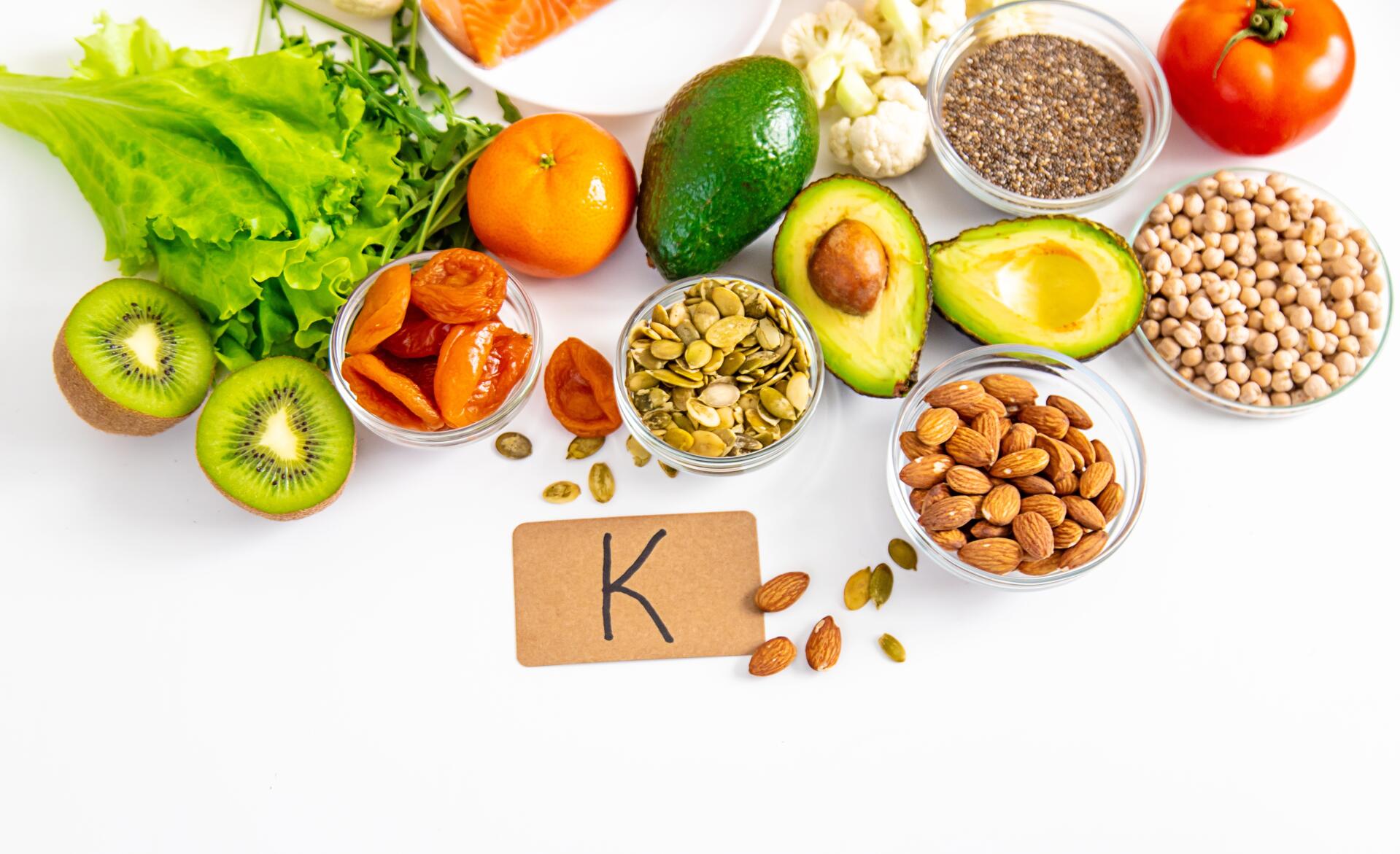
Potassium is naturally found in many fresh and dried fruits and vegetables, along with nuts, beans, chocolate and dairy products. Many individuals limiting potassium may also be limiting sodium, and so should be careful not to use salt substitutes that rely on potassium chloride. Additional hidden sources of potassium can include sports drinks, supplements, certain medications, and processed foods.
Importantly, potassium is found in many healthy fresh foods. While monitoring potassium levels is important for individuals with kidney disease, potassium by itself does not harm your kidney function. Therefore, individuals with kidney disease only need to restrict potassium intake if directed to by a medical professional. If you are unsure, you should ask your doctor.
By definition, foods that contain less than 250 mg of potassium per serving are considered to be low potassium. That said, even low potassium foods need to be enjoyed in moderation to help keep your blood potassium levels in a safe zone. Typical serving sizes are 1/2 cup of dairy products and 5 servings per day of low-potassium fruits and vegetables per day. Various high-potassium fruits, vegetables, beverages and other foods should also be avoided or consumed in very controlled amounts. Check out our general potassium worksheet and our handy high and low potassium lists for more information.
Whether you are eating low-potassium foods exclusively or not, it is still important to limit portion size and frequency in order to keep blood potassium levels at a safe amount. Working with nephrology doctors and a nutritionist will help to ensure that you are able to protect your kidneys while also enjoying a wholesome, well-balanced diet.
Easy Ways to Cut Back on Potassium
The easiest way to reduce potassium intake is to avoid eating large volumes of high potassium foods and focus on modest portions of low potassium foods. There are also some key cooking and food preparation techniques that can help to remove potassium from your diet. These include:
-
Soaking and boiling vegetables and beans to leach potassium
-
Draining and rinsing canned foods
-
Avoiding processed foods with potassium additives
Label reading will need to become a regular habit to ensure that your food selections have amounts of potassium that are within safe limits for you personally. Your nephrology doctors will work with you to determine ideal amounts and share actionable recommendations on how to limit excess amounts of potassium in your daily diet.
Beyond open communication with your care provider, it can also be a good idea to plan meals in advance, keep a consistent food journal, and learn portion sizes. Armed with this information you can more easily manage your low-potassium diet at a glance. This can feel daunting, but it’s well within your control. Managing potassium is an important part of your kidney health and even small dietary changes paired with regular monitoring can make a meaningful difference.
Work With The Nephrology Doctors At Northeast Nephrology
Kidney patients know that diet is key when it comes to successfully managing and treating your condition. Controlling potassium levels is an essential part of your strategy. While the process might present a steep learning curve at first, you’ll soon get the hang of it. And paired with professional advice from your nephrology doctors, you’re sure to succeed. Over time, the positive health impact you can experience may help you to adjust and enjoy your new way of eating. With the skilled help of our experienced team on your side, you can be confident that you’ll gain the upper hand.
At Northeast Ohio Nephrology Associates, we are committed to providing innovative solutions for maintaining and enhancing your kidney health. It’s our mission to empower you to take control of your wellness journey. Contact us today to get started and find a nephrologist in Akron, Ohio.
Our Affiliates







Contact Us
(*) - Required field